A working farm building food access, real jobs, and shared ownership in South Atlanta. Asset by asset, season by season.
We're not extracting value from this neighborhood. We're circulating it, and building a place that belongs to the people who live here.
What We Hold
Circulate, don't extract.
We work to keep the produce, the dollars, the hiring, and the sourcing close to home. The people who benefit are the people eating the food, and also the people whose paychecks and purchases stay in the neighborhood.
Community first.
The farm is built to belong to the neighborhood. It is a working farm that lives like a neighbor. We're stewards of a neighborhood asset, and what circulates is more than dollars and hiring. It's nutrition, skills, and the kind of wealth that carries across generations. The goal is permanence: land that stays public, for good.
Feed and teach as one act.
The kids the farm feeds are the kids the farm teaches. The same beds that earn revenue from chefs have supplied the cafeteria. The production and the people go together. The farm has to live to feed the kids.
Nothing flourishes alone.
What's true in the bed is true in the neighborhood. Pollinators, partners, neighbors, students. The farm only works as a web. We build in coalition, on purpose.
The Land
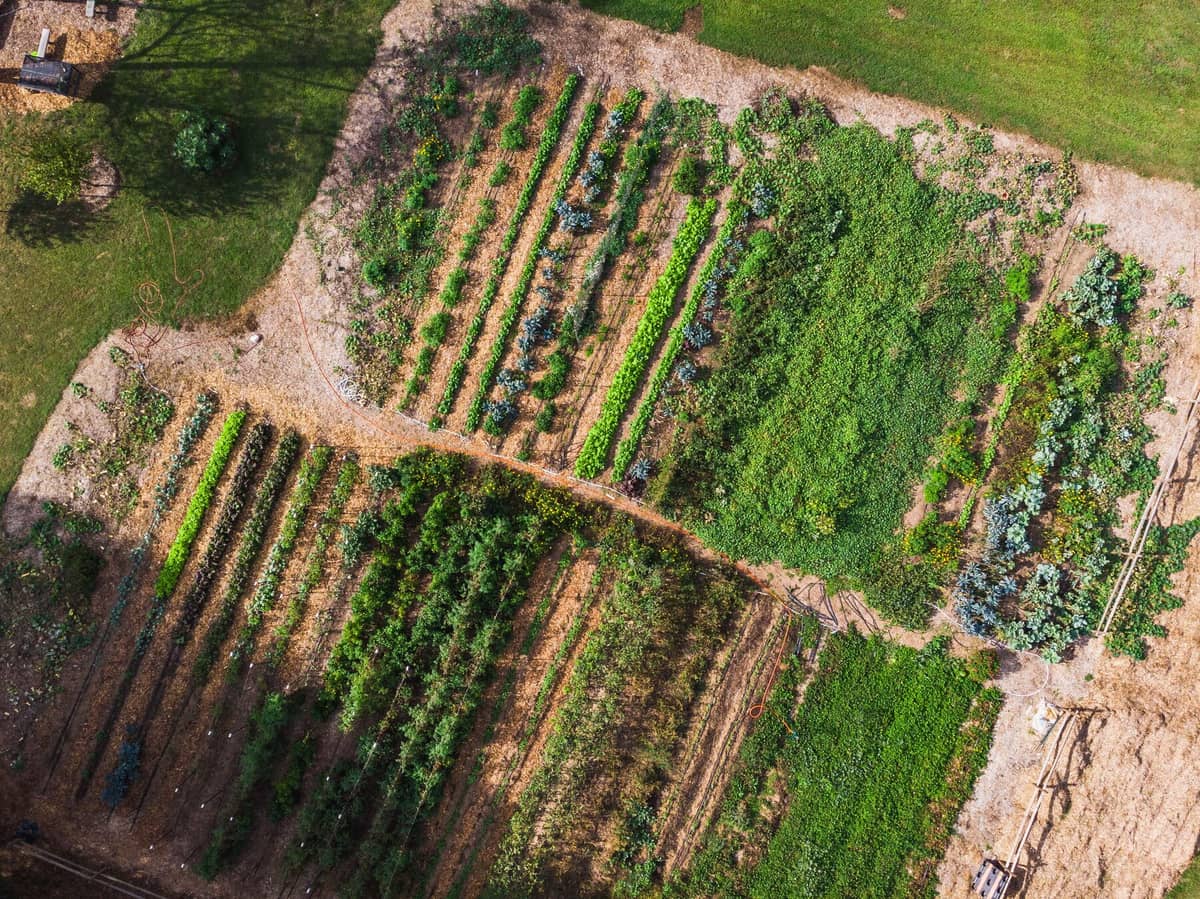
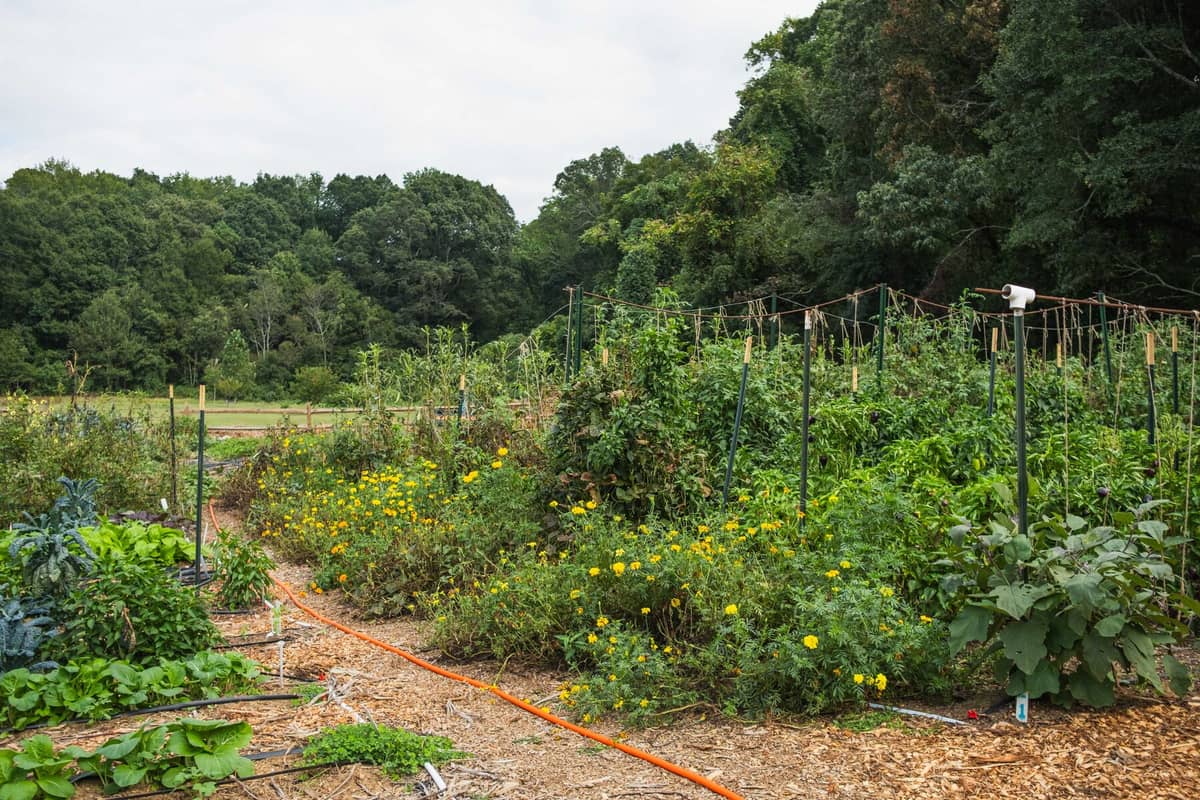
Five acres, bed by bed.
In Coalition
We don't do this alone.
A community hub is only as strong as the people, schools, restaurants, and organizations that show up alongside it. The chefs who buy from the farm are more than customers. They're partners in keeping it alive.
Hosts the land the farm works. Its service contracts carried the farm's early seasons.
Civic
City of Atlanta & APS
The city's Sustainability Ambassadors graduated a cohort on the farm. City of Atlanta and APS Board representatives support the development of the farm and its goal of better community health.